


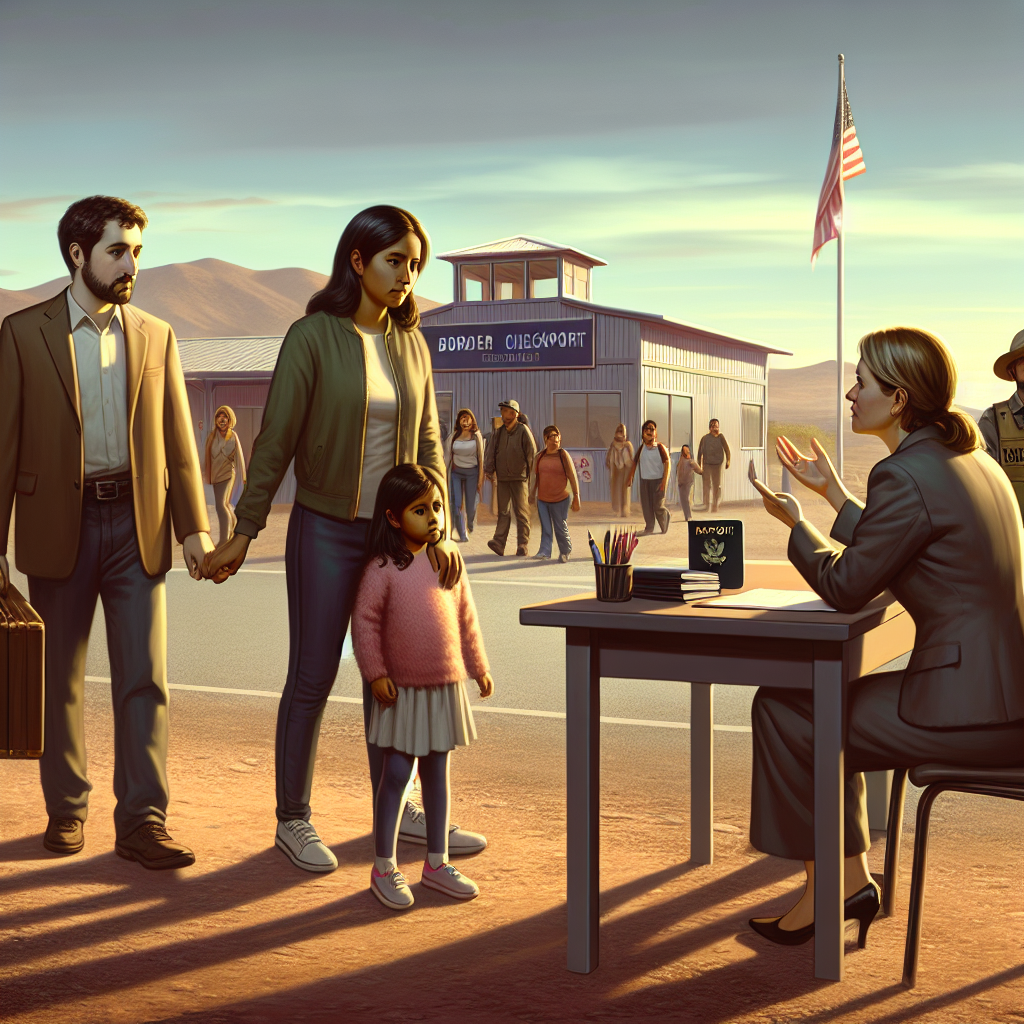
The text provides a critical overview of the current sociopolitical climate in Chicago, particularly concerning President Donald Trump’s administration, the deployment of National Guard troops, and how these events affect immigrants and the general public. Here’s a breakdown of the key points, explained in a clear and compassionate manner for those who might be affected or concerned:
Key Points Explained:
-
Division in Public Perception:
- There are contrasting images of Chicago being portrayed nationally. On one side, President Trump depicts it as a dangerous and chaotic place, even calling it a “hellhole.” He argues for deploying National Guard troops to manage immigrant enforcement. This claim feeds into a narrative that suggests Chicago needs military oversight due to lawlessness or violence.
-
A Vibrant City in Contrast:
- On the other side, Chicago is bustling with life. Events like the Chicago Marathon and baseball games show a city that is active and engaged. This helps illustrate that the reality for many residents contrasts sharply with Trump’s portrayal.
-
Comedy as Critique:
- Illinois Governor JB Pritzker uses humor in a mock report to emphasize the absurdity of Trump’s claims. Dressed in body armor, he sarcastically describes exaggerated scenarios (like baseball teams attacking each other) to highlight that Chicago is not the chaotic environment Trump suggests. This approach brings levity to a serious issue but also calls attention to the disconnect between perception and reality.
-
Judicial Actions:
- A federal judge’s ruling has temporarily prevented the National Guard from being used for immigration enforcement. This victory for Pritzker and other Illinois Democrats reflects the ongoing legal struggles against federal policies seen as harmful. The judge’s ruling signifies an attempt to uphold local governance and respect for civil liberties.
-
Implications for Immigrants:
- Government actions based on fear can create an environment of anxiety for immigrants. The deployment of National Guard troops is likely to heighten fears of deportation and law enforcement, making many immigrants feel more vulnerable. The legal victories at the state level aim to protect these communities from aggressive federal actions.
-
Ongoing Legal Battles:
- The article points to a complex legal landscape. While Pritzker has secured a temporary victory, the Trump administration is appealing the ruling, suggesting a protracted conflict ahead. Legal experts warn that if federal courts favor Trump, it could further empower him to take aggressive measures against states that oppose his policies.
-
Actions of the Trump Administration:
- The article highlights Trump’s willingness to push legal boundaries and use military force domestically if he deems it necessary. This threat underscores a potential for escalated conflict between state leaders and the federal government, leading to further complications that could affect marginalized communities, including immigrants.
-
Vocal Opposition from State Leaders:
- Pritzker and other Democrats are committed to challenging Trump’s actions. They use the courts as a means of resisting policies they view as unconstitutional and harmful, while also conveying a sense of urgency to protect vulnerable populations such as immigrants.
-
Future Uncertainties:
- The legal skirmishes could lead to unpredictable outcomes, particularly if cases reach the Supreme Court. Immigrants and their advocates need to stay informed and engaged, as these rulings could have direct implications on their rights and safety.
Conclusion & Guidance for Immigrants:
For immigrants and their families concerned about rising tensions and potential federal actions:
- Stay Informed: Watch for updates on legal decisions affecting immigration policies and local governance.
- Community Support: Engage with local advocacy groups that provide resources and support services.
- Legal Assistance: Seek legal counsel to understand your rights and navigate potential challenges.
- Civic Engagement: Participate in local forums or discussions that allow your voice to be heard regarding immigration policies.
By understanding the political landscape and participating in community efforts, immigrants can advocate for their rights and support each other amidst these challenging times.
