


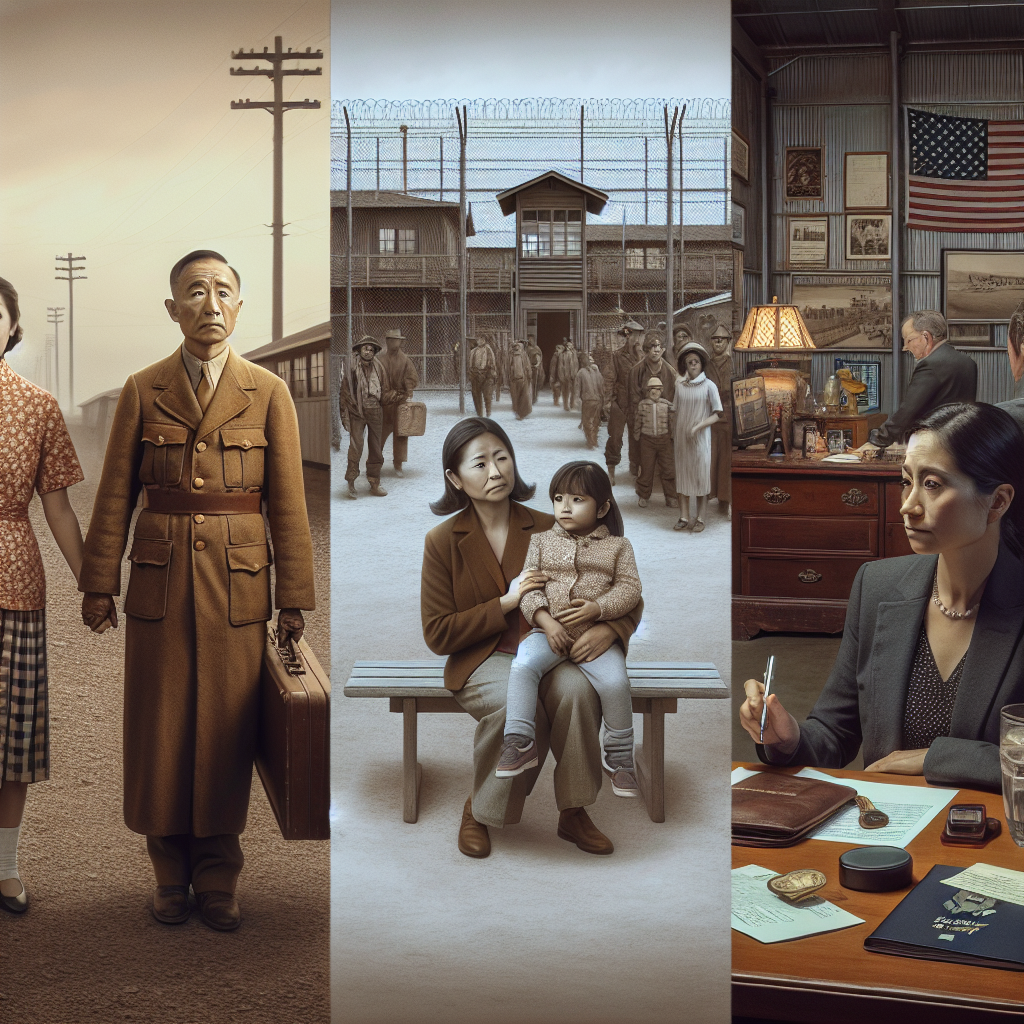
The article “Remembering WW2 Camps, Japanese Americans Fight Trump’s Immigration Crackdown” from The New York Times discusses the parallels between past injustices faced by Japanese Americans during World War II and the current immigration policies under the Trump administration.
Key Points:
-
Historical Context:
- The article reflects on the internment of Japanese Americans during WWII, where many were forcibly removed from their homes and placed in camps. This was a significant violation of their rights based on ethnicity and national origin.
-
Current Immigration Policies:
- It highlights the experiences of Japanese Americans who are now openly opposing contemporary immigration policies that they perceive as discriminatory. They see parallels in how certain groups are treated based on fear and prejudice.
-
Activism and Solidarity:
- The piece emphasizes how these individuals draw on their historical experiences to advocate for immigrants today. They engage in activism to combat what they see as a modern-day echo of their past suffering.
-
Compassionate Response:
- The article suggests that understanding this history can lead to more compassionate responses towards current immigrant communities. It calls for unity and support for displaced individuals and families, promoting empathy and awareness of the impact of such policies.
Conclusion:
The narrative connects the past with the present, urging society to remember historical injustices to foster a more inclusive and compassionate approach towards immigrants today. It exemplifies how historical experiences shape current activism and encourages collective action against discrimination.
