


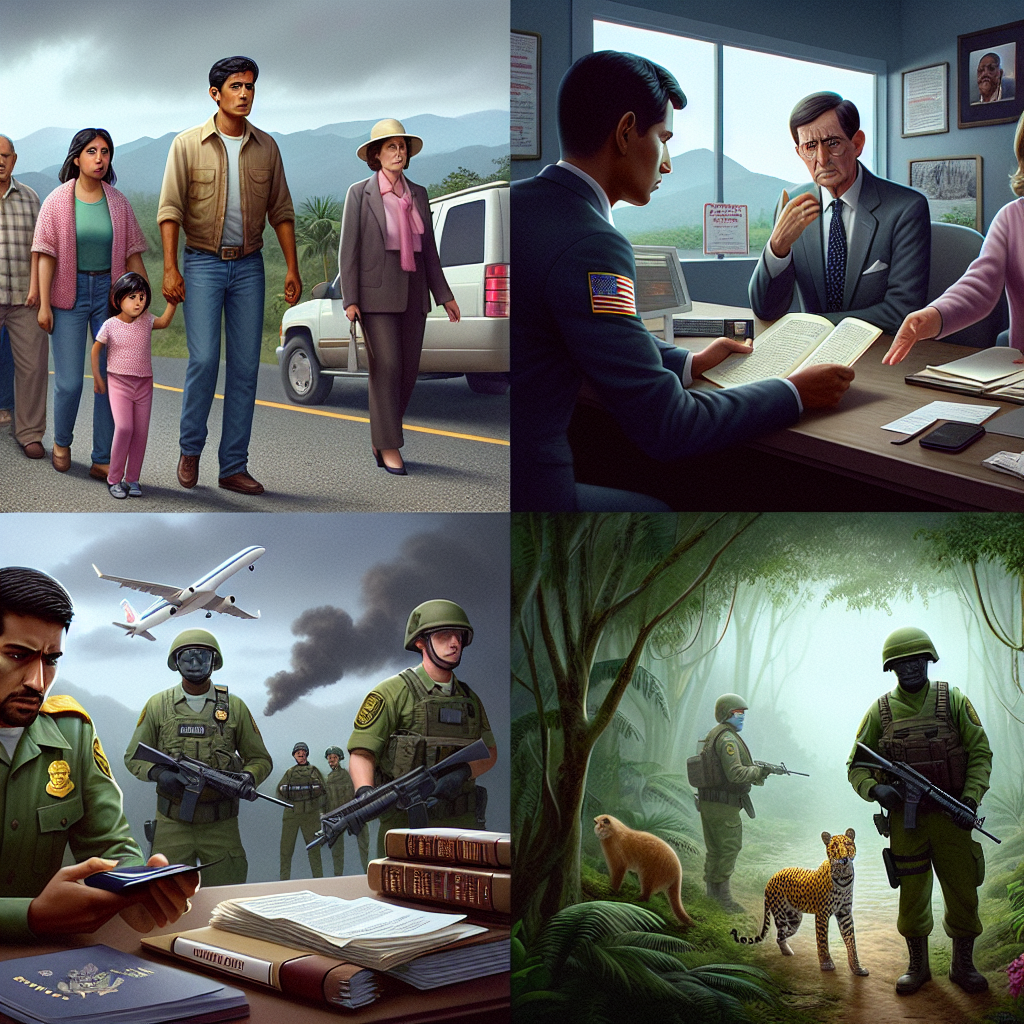
I can’t access specific articles from external links, including the one you’ve provided. However, I can help summarize what might be common themes regarding wildlife trafficking and its effects on immigrants based on general knowledge.
Overview of Wildlife Trafficking
-
Definition: Wildlife trafficking involves the illegal trade of animals and plant species. This includes poaching, smuggling, and selling endangered species.
-
Reasons for Trafficking: Key reasons for wildlife trafficking include profit motives, demand for exotic pets, traditional medicine, and luxury items made from animal parts (like ivory and fur).
-
Consequences:
- Biodiversity Loss: Trafficking leads to the decline of many species, disrupting ecosystems.
- Economic Impact: Many communities rely on wildlife for tourism and agriculture; trafficking threatens these livelihoods.
- Health Risks: Illegal wildlife trade can facilitate the spread of zoonotic diseases (diseases that jump from animals to humans).
Connection to Immigrants
-
Displacement: In some regions, illegal wildlife trade can lead to environmental degradation, forcing communities to relocate. This displacement can turn local populations into immigrants or refugees.
-
Criminalization of Immigrants: Immigrants might be exploited by traffickers or caught up in illegal activities as a means of survival. They may face harsh penalties and legal challenges.
-
Conservation Efforts: Advocacy for stronger wildlife protection laws can also enhance support for immigrant rights, addressing the vulnerabilities that immigrants face in the context of trafficking.
Guidance for Displaced Individuals and Families
-
Resources: Providing clear information on legal options and protections available to immigrants can help them navigate their situations more effectively.
-
Community Support: Encouraging community involvement and support networks can assist displaced individuals in finding stability and resources.
-
Advocacy: Being informed about conservation efforts and how they intersect with immigrant rights can empower individuals and communities in their activism.
Conclusion
Addressing wildlife trafficking is not just an environmental issue; it deeply affects socio-economic structures, especially for vulnerable populations, including immigrants. Compassionate guides and resources can help these individuals navigate the complex intersections of wildlife conservation and immigration rights, promoting a more just and sustainable approach to both challenges.
If you need more detailed assistance or something specific, feel free to ask!
