


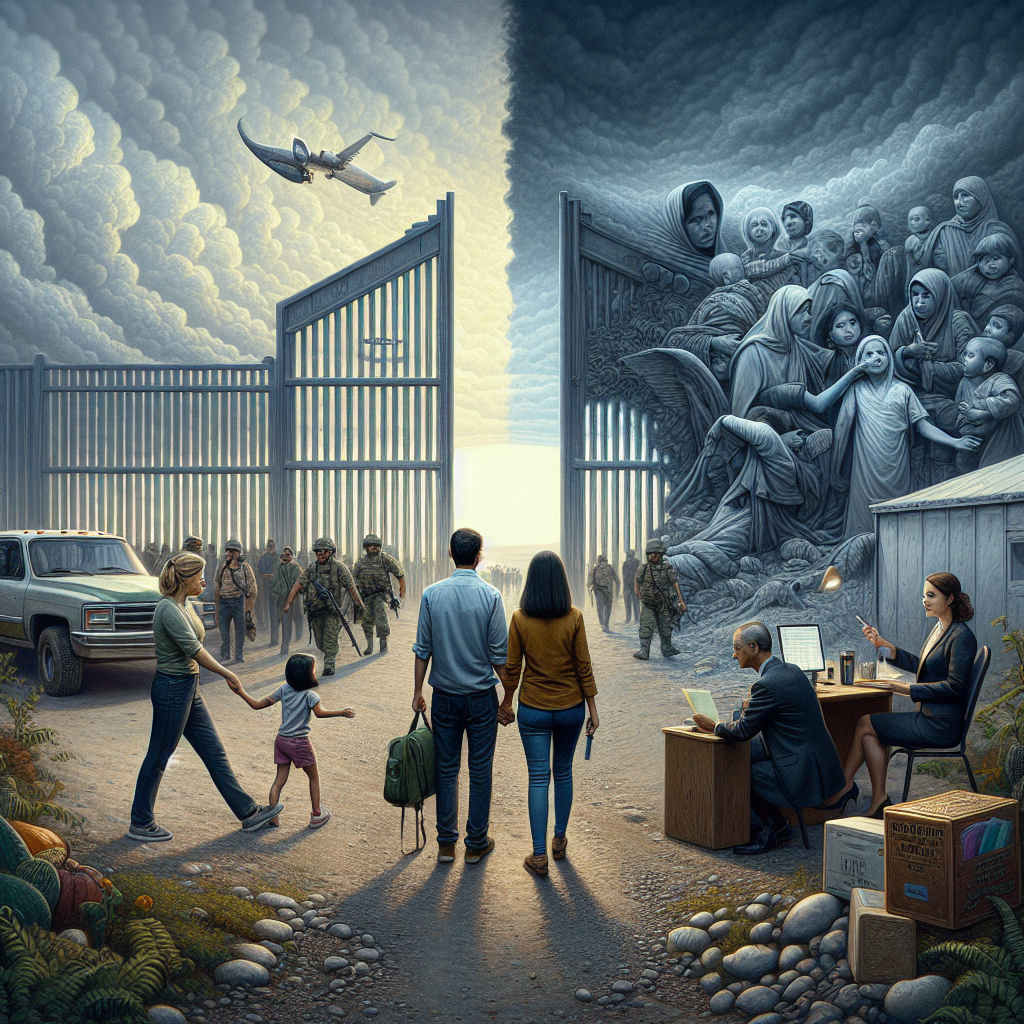
The article discusses the tragic shooting of a Loyola University student, Sheridan Gorman, and how it has sparked political debates regarding immigration policies in the U.S. Here’s a breakdown of what’s being said, along with a focus on the implications for immigrants:
Key Points
-
Immediate Context:
- Tragedy: Sheridan Gorman, an 18-year-old student, was fatally shot at Loyola Beach Pier in Chicago.
- Suspect: Jose Medina, a 25-year-old Venezuelan national living in the U.S. without legal status, has been charged with her killing.
-
Governor’s Response:
- Failings in Immigration System: Illinois Governor JB Pritzker highlighted “real failures” in the national immigration system that contributed to this tragedy.
- Blame on Federal Leadership: Pritzker pointed a finger at the Trump administration, stating it failed to enact comprehensive immigration reform while criticizing local law enforcement for not cooperating with federal immigration officials.
-
Political Tensions:
- Sanctuary Policies: Some Republicans are blaming Democrats, including Pritzker, for supporting sanctuary policies that limit local law enforcement’s collaboration with federal immigration efforts.
- Response from Chicago’s Mayor: Mayor Brandon Johnson defended these policies, referencing their long-standing history in Chicago and reiterating that city police hold all individuals accountable for crimes, regardless of their immigration status.
-
Implications for Immigrants:
- Sanctuary Laws: The TRUST Act and the Welcoming City ordinance in Illinois aim to protect immigrants from federal detention based on their immigration status, allowing them to feel safer in their communities.
- Criticism of Federal Approach: Johnson and Pritzker’s comments underline the perceived inadequacies of federal immigration enforcement under Trump’s administration, emphasizing that comprehensive reform is necessary.
- Impact on Community Trust: Negative experiences or perceptions regarding immigration enforcement can create fear among immigrants, potentially deterring them from seeking help or reporting crimes out of fear of deportation.
Compassionate Guide for Displaced Individuals and Families
-
Awareness of Rights: Understand your rights as an immigrant, including protections offered under local sanctuary laws like the TRUST Act. These laws can help ensure that local law enforcement does not collaborate with ICE (Immigration and Customs Enforcement).
-
Community Support: Engage with local immigrant advocacy groups that can provide resources, support, and legal assistance. They can offer guidance on navigating any challenges you may face.
-
Safety First: If you feel threatened or unsafe due to your immigration status, reach out to trusted individuals or community organizations that can provide a safe space and support.
-
Stay Informed: Keep yourself updated on local laws regarding immigration and understand any changes that may occur at the federal level. This knowledge is crucial for navigating your daily life and ensuring your rights are protected.
-
Voices for Change: Participate in discussions or community meetings about immigration policies. Advocacy can lead to changes that better protect immigrant communities.
-
Reach Out for Help: If you’re facing legal troubles or anxiety regarding your immigration status, do not hesitate to contact legal experts or immigrant support organizations for help.
Conclusion
The article illustrates not only a tragic event but also the complexity of immigration policy and its repercussions on communities. For displaced individuals and families, understanding their rights and accessing available resources is essential in navigating these challenging circumstances effectively and compassionately.
