


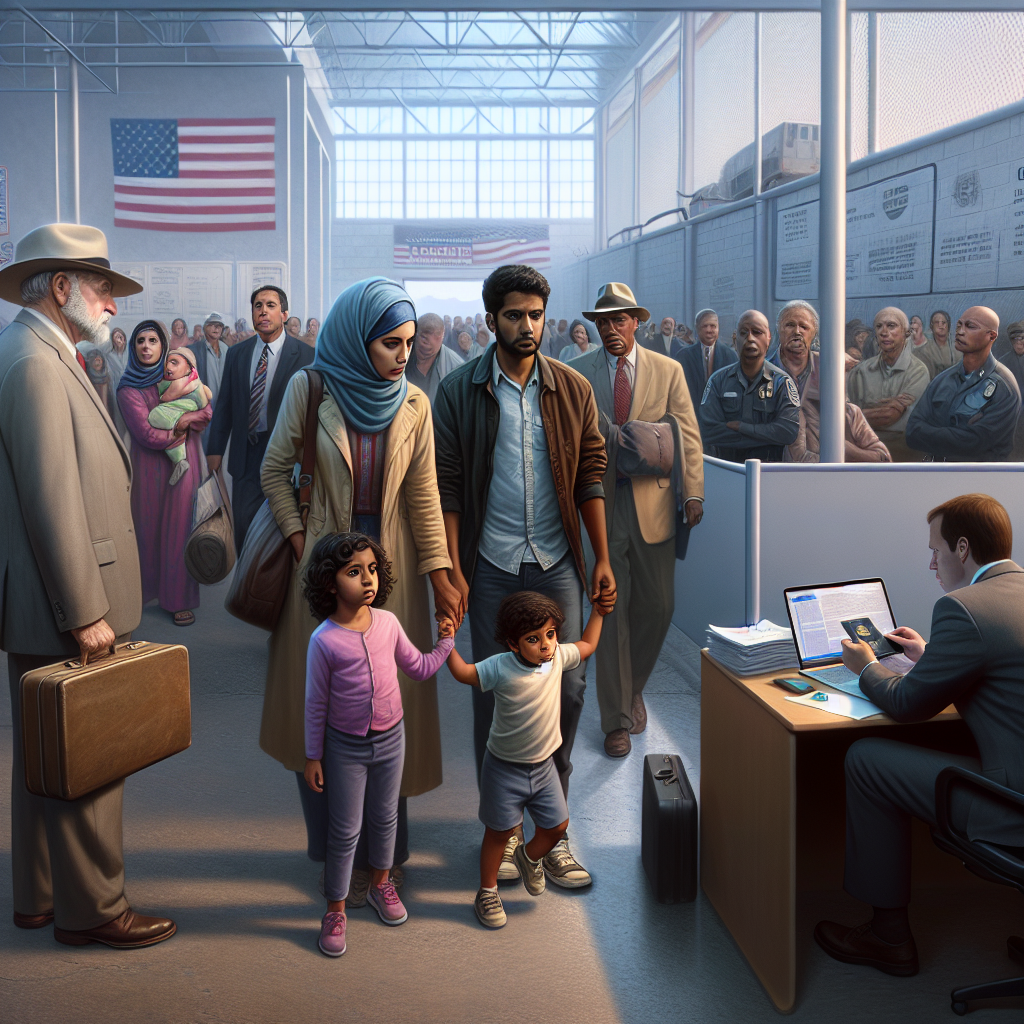
Sure! The text provides a detailed examination of the legal and historical context surrounding the 14th Amendment and a specific challenge to birthright citizenship put forth by former President Trump’s administration. Here’s a breakdown of the key points and their implications for immigrants, structured into clear and compassionate guides.
Understanding the 14th Amendment and Birthright Citizenship
Key Information:
- Origin of the 14th Amendment: Established shortly after the Civil War, it states: “All persons born or naturalized in the United States… are citizens.”
- Significance: This means that most people born in the U.S., regardless of their parents’ status, are automatically U.S. citizens.
Impact on Immigrants:
- Assurance of Citizenship: For many families, the knowledge that their children are citizens by being born in the U.S. is a source of security and stability.
Trump Administration’s Challenge
Key Actions:
- Executive Order in 2025: Trump attempted to deny citizenship to children born to non-citizens and undocumented immigrants.
- Legal Pushback: Courts consistently blocked this order, with a significant oral argument heard by the Supreme Court questioning its validity.
Impact on Immigrants:
- Insecurity and Uncertainty: The challenge has heightened fears among immigrant families about the citizenship rights of their children.
Historical Context: Wong Kim Ark Case
Key Information:
- Wong Kim Ark (1898): This landmark Supreme Court case reaffirmed birthright citizenship, deciding that all children born in the U.S. are citizens despite their parents’ immigration status.
Impact on Immigrants:
- Precedent of Protection: The case serves as a historical example of the courts defending immigrant rights, emphasizing that the law can protect the most vulnerable populations.
Legal Interpretation and Arguments
Key Arguments by the Trump Administration:
- Definition of “Jurisdiction”: They claimed that only certain children—those whose parents are “domiciled” or residing legally—are eligible for citizenship.
Impact on Immigrants:
- Potential Exclusion: If accepted, this interpretation would exclude many immigrant children, increasing the risk of statelessness and uncertainty.
Possible Consequences of Ending Birthright Citizenship
Immediate Ramifications:
- Loss of Citizenship: Children born to undocumented immigrants would no longer be U.S. citizens, which could lead to statelessness.
- Increased Bureaucracy: Parents would have to prove their status for their children to gain citizenship, complicating birth registrations.
Broader Implications:
- Fear and Division: Many would live in fear of deportation or legal vulnerability, creating a significant underclass in society.
- Threat to Existing Rights: The status of many Americans born since the amendment could also be questioned if the Supreme Court rules against established precedents.
Conclusion and Hope
Current Outlook:
- Supreme Court Skepticism: During arguments, many justices showed doubt about the administration’s position, which offers hope that birthright citizenship may remain intact.
Encouragement for Immigrant Communities:
- Awareness and Advocacy: It’s crucial for immigrants to stay informed and engage in advocacy for their rights, recognizing the historical protections in place.
- Support and Solidarity: Encouragement for communities to come together to support each other during uncertain times and to advocate for compassionate immigration policies.
This guide seeks to clarify the legal landscape regarding birthright citizenship and its implications for immigrants, emphasizing compassion and understanding as we navigate these complex issues.
