


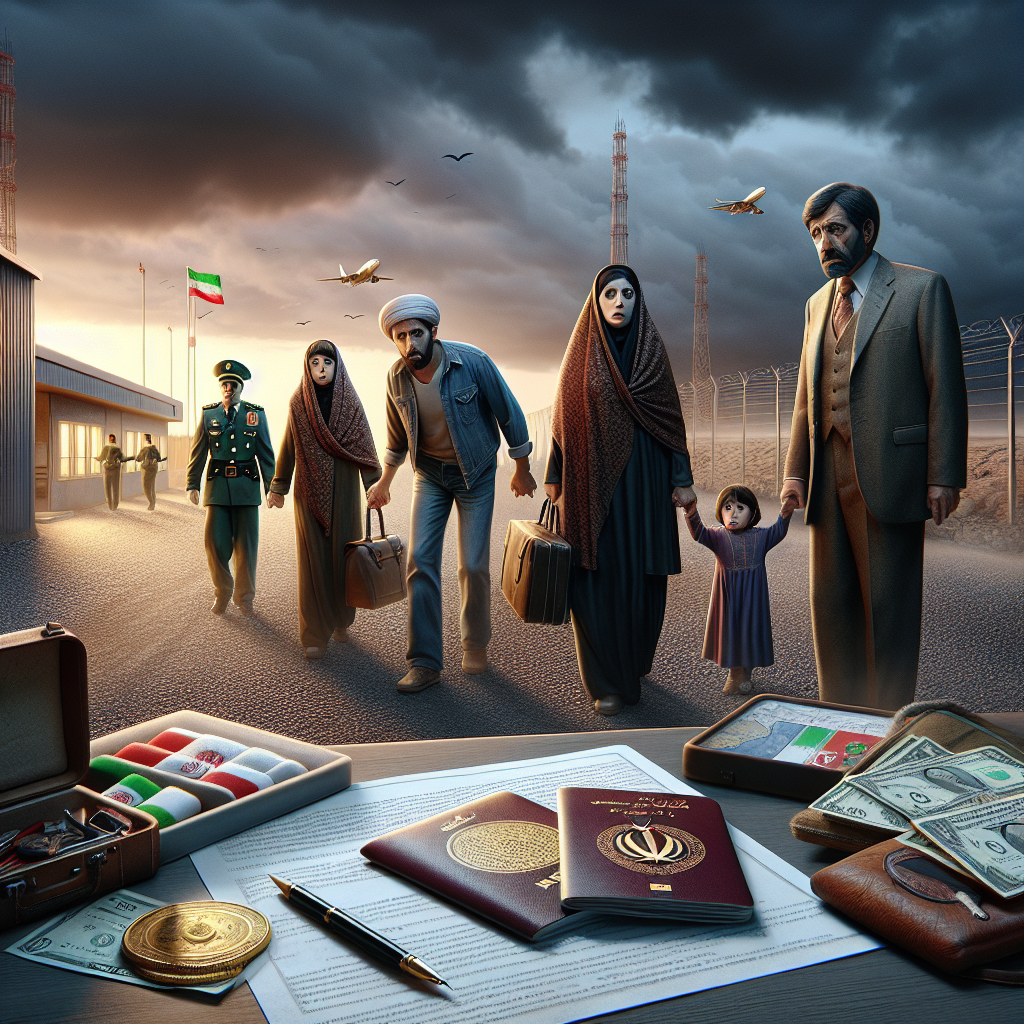
The excerpt describes actions taken by the Trump administration regarding Iranian nationals connected to the Iranian government. Here’s a breakdown of what’s being said and its implications for immigrants:
Summary of the Content
-
Green Cards and Visas Revoked: The Trump administration has revoked green cards or U.S. visas from at least four Iranians linked to the Iranian government. Two of these individuals have been detained and are facing deportation.
-
Secretary of State’s Role: Secretary of State Marco Rubio determined that these individuals were no longer eligible for lawful permanent residency or entry into the U.S. This action followed previous visa revocations of diplomats at Iran’s U.N. mission.
-
Specific Individuals Impacted: The niece and grand-niece of Qassem Soleimani, a high-ranking Iranian military official killed by a U.S. airstrike, were arrested after their green cards were revoked. They had been living in Los Angeles while publicly supporting the Iranian government.
-
Statements from Officials: Rubio stated that the Trump administration will not permit foreign nationals who support anti-American sentiments to live in the U.S.
-
Additional Cases: Other Iranians, including academics connected to the Iranian government, have also had their visas revoked, indicating a broader trend.
-
Comments on Diplomatic Actions: Earlier actions taken against Iranian diplomats were not officially linked to the domestic protests or the outbreak of war in Iran, suggesting that the visa revocations were part of a larger, consistent policy.
Implications for Immigrants
1. Increased Scrutiny:
- What it Means: Immigrants from countries with complex political relations with the U.S., like Iran, may face increased scrutiny regarding their status, especially if they are perceived to have ties to the government.
- Advice: Maintain clear records of immigration status and be aware of your rights. Seek legal advice if concerned about visa status.
2. Potential for Deportation:
- What it Means: Individuals affiliated with governments or regimes viewed unfavorably by the U.S. may risk deportation.
- Advice: Understand the factors that could affect eligibility for residency. Document any changes in circumstances.
3. Political Climate Awareness:
- What it Means: A change in administration can lead to sudden shifts in immigration policy, particularly regarding national security. These changes can create instability for many immigrants.
- Advice: Stay informed about policy changes and their implications. Engage with community organizations that offer support for immigrants.
4. Social Support Networks:
- What it Means: The actions described can create fear and uncertainty within immigrant communities, particularly for those with family connections in contentious regions.
- Advice: Connect with local support groups, legal aid organizations, and trusted community leaders who can provide resources and guidance.
5. Documentary Preparedness:
- What it Means: Individuals should have all necessary paperwork prepared and updated to assist in potential immigration issues.
- Advice: Gather documentation that proves lawful residency and connections to the U.S., such as employment records, family ties, and community involvement.
Conclusion
The actions taken against certain Iranian nationals highlight ongoing immigration issues intertwined with political dynamics. For immigrants, especially those from troubled regions, it’s essential to stay informed, seek legal resources, and maintain community connections. This not only helps in navigating the complexities of immigration law but also fosters a sense of solidarity and support within immigrant communities.
